


Why Metal Bond Diamond Dicing Blades Are Ideal for BGA and glass fiber board?
In the fields of semiconductor packaging and electronics manufacturing, the precision and efficiency of the dicing (singulation) process directly impact the yield of the final product. As a specialized manufacturer of metal-bond hubless diamond dicing blades, we fully recognize that—when processing complex BGA packages as well as highly abrasive PCB and fiberglass substrates—selecting the appropriate blade bond is the key to enhancing process performance.
What is a Metal-Bond Diamond Dicing Blade?
In the dicing blade industry, metal-bonded dicing blades are manufactured using either electroforming or metal powder sintering processes.
Their core characteristic lies in the use of metal alloys—such as nickel and cobalt—as a bonding agent to uniformly anchor the diamond abrasive particles. Compared to resin-bonded blades, metal-bonded blades offer the following advantages:
Superior Abrasive Retention: The metal matrix securely locks the diamond particles in place, minimizing premature shedding.
Excellent Thermal Conductivity: The metal material rapidly dissipates heat generated in the cutting zone, thereby protecting the workpiece.
Exceptional Rigidity: They exhibit greater stability within the cut channel during high-speed rotation, effectively controlling Total Indicator Runout (TIR).
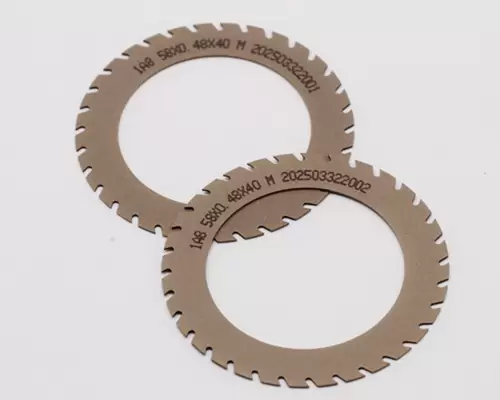

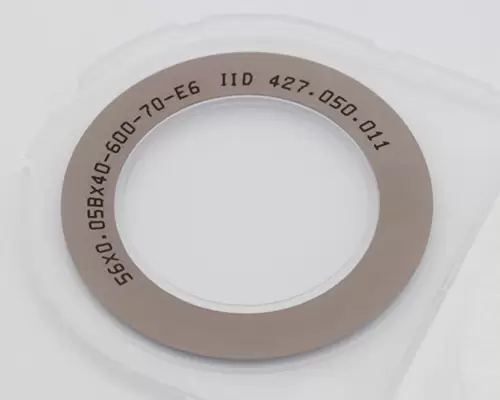
Advantages of Metal-Bonded Diamond Dicing Blades in the BGA Packaging Process:
Definition and Structure of BGA Packaging
BGA (Ball Grid Array) is a highly integrated surface-mount packaging technology. It is characterized by an array of solder balls arranged on a BT substrate located at the bottom of the package. A typical BGA package consists of Epoxy Molding Compound (EMC), a silicon die, and a BT substrate.
BGA Dicing Requirements
In accordance with relevant standards regarding package integrity established by global semiconductor standards associations, BGA dicing operations must satisfy the following criteria:
Strict Control of Edge Chipping:
The molding compound is extremely brittle; therefore, edge chipping must be strictly limited to within 25–50 μm to ensure the hermeticity and integrity of the package seal.
Prevention of Interlayer Delamination:
The dicing force applied must be uniform to prevent delamination from occurring between the EMC and the BT substrate.
Control of the Heat-Affected Zone:
Excessive frictional heat generated during dicing can lead to the melting of the substrate resin or the softening of the solder balls.
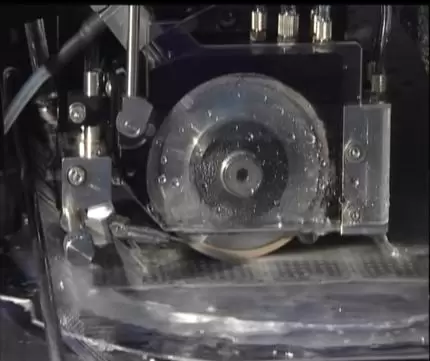
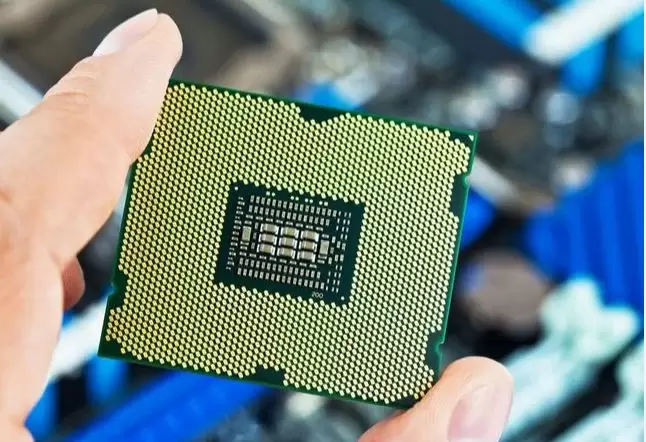
Advantages of Metal Bond Diamond Dicing Blades in BGA Dicing
Metal bond diamond dicing blades represent the industry standard for BGA dicing applications. Given that the molding compound contains a high concentration of silica fillers, it imposes significant abrasive wear on the dicing blade.
The metal matrix of a metal bond diamond dicing blade is designed to withstand this abrasive wear while simultaneously utilizing its high thermal conductivity to prevent the BT resin from “loading” (clogging) the blade or sustaining thermal damage.
Applications of Metal Bond Diamond Dicing Blades for High-Wear Materials: Fiberglass Board
Characteristics of Fiberglass Board (FR-4/FR-5)
Fiberglass board (such as FR-4) is manufactured by curing epoxy resin and woven glass fiber cloth under high pressure. It is renowned for its high mechanical strength and excellent electrical insulation properties; however, due to the presence of extremely hard glass fibers within its structure, it is widely recognized as a “difficult-to-machine material.”
Dicing Requirements for Fiberglass Board
Extreme Abrasion Resistance:Glass fibers cause extremely rapid wear on diamond abrasives.
Self-Sharpening Balance: The blade’s bonding matrix must wear down at a controlled rate to continuously expose fresh, sharp diamond particles; otherwise, the blade will quickly become dull, leading to material scorching.
Chip Evacuation:*Adequate clearance for chip evacuation is essential to prevent glass dust from clogging the cutting edge.
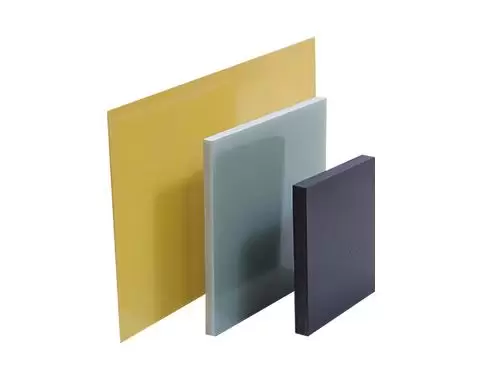
The Advantages of Metal-Bonded Blades in Fiberglass Processing
In the dicing of fiberglass, the Grinding Ratio is a critical factor. Metal bonding matrices possess a superior ability to retain abrasive particles over time, resulting in a service life far exceeding that of resin-bonded diamond dicing blades. By precisely adjusting the hardness of the metal alloy to match the abrasive wear rate of the fiberglass, we ensure that the dicing blade remains consistently sharp throughout its entire operational lifespan.
Processing Case Studies & Recommended Parameters
To provide customers with a more intuitive understanding of the performance of our metal dicing blades in actual production environments, we have compiled a set of standard processing case studies for the dicing of BGA packages and high-density PCBs, based on extensive factory testing and customer feedback.
1. Table of Typical Processing Parameters
For the dicing of common BGA packages and FR-4 substrates, we recommend utilizing metal dicing blades with the following specifications:
| Recommended Parameters | |
| Bond | Metal hubless diamond dicing blade |
| Size | 1A8 58*0.3*40M SD240C50 |
| Spindle speed | 32,000 rpm |
| Feed rate | 20–40 (mm/s or mm/min depending on machine convention) |
| Cutting life | approximately 6–8 kilometers |
—-EDITOR:Doris Hu
—POST:Doris Hu


