


Diamond Dicing Blade Selection for QFN and DFN Packages
In the advanced landscape of Semiconductor Packaging, dicing process is a critical final step that directly determines the final yield and reliability of the device. As packages evolve toward higher density and smaller footprints, the choice of Diamond Hubless Dicing Blades—specifically the selection between Resin Bond and Metal Bond—has become a strategic decision for process engineers.
The role of semiconductor packaging has evolved from mere physical protection to the optimization of electrical performance and thermal management. Packaging technologies—exemplified by QFN (Quad Flat No-leads) and BGA (Ball Grid Array)—involve the integration of various heterogeneous materials:
-Polymers: Such as Epoxy Molding Compounds (EMC) and BT resins.
-Metals: Such as copper leadframes or copper layers.
-Reinforcement Materials: Such as the glass fibers found in PCBs and FR4 substrates.
The stacking of materials possessing varying degrees of hardness, ductility, and abrasiveness necessitates that the dicing blade strike a precise balance between cutting efficiency, chipping control, and tool life.
This article examines the technical nuances of dicing QFN/DFN packages using resin bond blades and the specialized requirements for dicing BGA and PCB substrates using metal bond blades.
In the semiconductor packaging and precision machining industries, the Resin Bond Diamond Dicing Blade is an absolutely critical consumable.
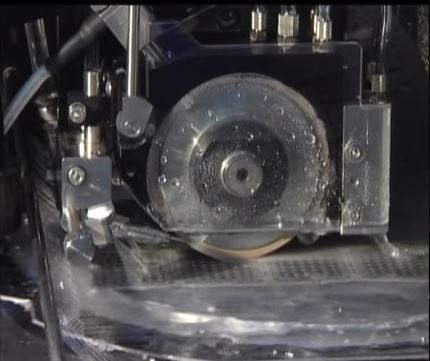
What is a Resin Bond Diamond Dicing Blade?
A Resin Bond Diamond Dicing Blade (typically referring to a “Resin Hubless Blade”) is an ultra-thin, disc-shaped cutting tool manufactured by uniformly mixing industrial-grade synthetic diamond grit with a thermosetting resin binder—such as phenolic resin or polyimide—followed by processes of molding, thermal curing, and precision grinding.
It is specifically designed to address the complex challenge of “heterogeneous material composite cutting” within the field of semiconductor packaging.
1. Core Components (Composition)
Abrasive (Diamond Grit): Utilizes high-strength, ultra-fine-grained synthetic diamonds. In resin-bond hubless diamond dicing blades, the diamond grit size typically ranges from #400 to #2000 (or even finer) to ensure a nanoscale surface finish on the cut face.
Binder (Resin Bond): The resin bond is “softer” than its metal-based counterparts and possesses inherent elasticity as well as a microporous structure. This material composition endows the blade with its unique “flexible cutting” characteristics.
2. Core Operating Principle: Exceptional “Self-Sharpening” Capability
When dicing QFN or DFN packages—which contain substantial Copper Lead Frame—the high ductility of the copper metal causes it to adhere readily to the blade’s cutting edge, leading to blade dulling (a phenomenon known as “blade loading” or “clogging”).
Principle: Because the resin bond exhibits lower wear resistance compared to metal bond, the old resin layer wears away rapidly due to friction during the cutting process. This wear causes the dulled diamond particles to dislodge, thereby continuously exposing fresh, sharp edges of the high-hardness diamond grit.
Result: This continuous “self-renewal” capability ensures that the blade consistently maintains exceptional cutting power, thereby effectively suppressing the formation of burrs.
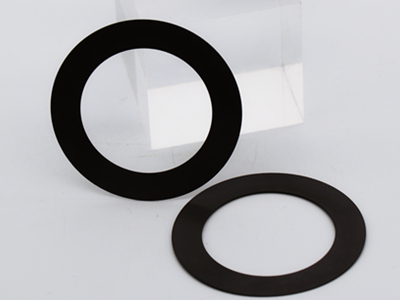
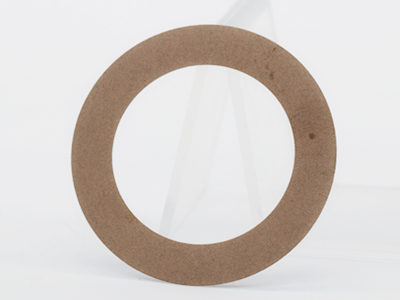
Resin Bond Hubless Diamond Dicing Blades: High-Precision Solutions for DFN & QFN
In semiconductor back-end processing, DFN and QFN are the most common types of surface-mount packages. Although both fall under the category of leadless packages, they exhibit significant differences in their structural design and dicing methodology.
1. DFN (Dual Flat No-leads) — Dual-Sided Flat Leadless Package
DFN package: the pins are located exclusively along two opposing sides of the package body. It is typically utilized for power devices, diodes, or transistors requiring a relatively low pin count. Its internal structure consists of a semiconductor die, gold bonding wires, and a copper lead frame, while the exterior is encapsulated and protected by an epoxy molding compound.
Dicing Considerations:
Thermal Stress Control:
DFN dicing typically involves long, linear cuts. Since the metal lead frame generates a significant amount of heat during the cutting process, it is imperative to ensure that the dicing blade possesses superior heat dissipation capabilities.
Prevention of Delamination:
If an unsuitable blade is selected , the impact force generated during cutting may create microscopic voids (delamination) between the molding compound and the copper frame, thereby compromising the package’s hermeticity.
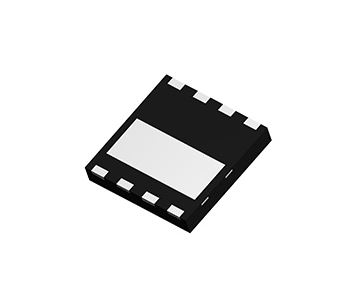
2. QFN (Quad Flat No-leads) — Four-Sided Flat Leadless Package
QFN package: the pins are distributed along all four sides of the package body. Due to its square footprint and higher pin density, QFN is widely adopted for highly integrated control chips and RF modules.
Dicing Considerations:
Corner Chipping:
QFN packages require a grid-based dicing process involving both longitudinal and lateral cuts. When the blade passes through the kerf created by a previous cut (at the intersection point), the edges of the package are highly susceptible to chipping or fragmentation.
Burr Control:
The underside of a QFN package features a large-area copper thermal pad. A Resin Bond Diamond Hubless Dicing Blade (a “soft” resin-matrix blade) must leverage its exceptional self-sharpening properties—continuously exposing fresh, sharp diamond grit—to “shear” (rather than “tear”) through the copper layer, thereby preventing the formation of burrs that could lead to short circuits or soldering defects.
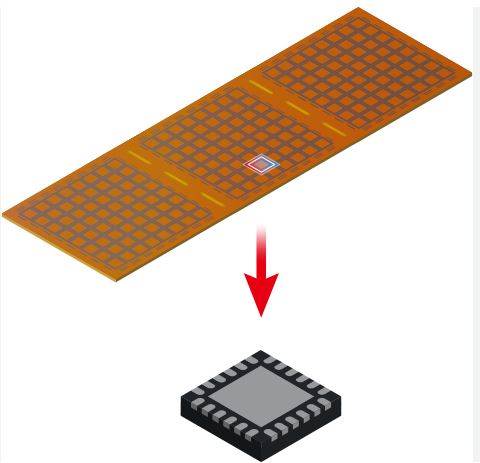
The resin bond consists of specialized organic polymers that exhibit a moderate wear rate during the cutting process,once the diamond abrasive grains become dull, they are quickly shed to expose fresh, sharp cutting edges. When cutting copper—a metal prone to adhering to the blade—resin-bonded diamond dicing blades effectively prevent “blade loading” (clogging) and maintain a consistent cutting force.
The most significant challenge in QFN dicing is the formation of copper burrs. Resin Bond Diamond Hubless Dicing Blades possess a specific elastic modulus that acts as a buffer; this reduces physical stress on the lead frame, thereby limiting metal burrs to the micron range and ensuring the electrical reliability of the bond pads.
Resin-bonded diamond dicing blades significantly minimize top-side chipping on the surface of the plastic encapsulation material. Their fine abrasive grit size (typically ranging from #600 to #2000) ensures the smoothness of the kerf (cut channel) sidewalls.


