


Surface Finish Problems with CBN Grinding Wheels
Poor surface finish is a common problem in precision grinding with CBN grinding wheel. Typical issues include scratches, dull or hazy surfaces, coarse grinding marks, chatter, waviness, orange-peel texture, and inconsistent surface quality.
The CBN grinding wheel itself does not always cause the problem. Coolant condition, wheel loading, dressing, machine stability, grinding parameters, workholding, and workpiece material can all affect the final result.
This guide helps you identify the most common causes and improve CBN grinding surface finish.
What Does Poor CBN Grinding Surface Finish Look Like?
Different surface defects can point to different process problems.
Common symptoms include:
— Visible or coarse grinding marks
— Fine scratches across the surface
— Dull or hazy appearance
— Periodic waves
— Chatter marks
— Orange-peel texture
— Surface burn or discoloration
— Random changes in surface finish
— Surface quality that deteriorates during continuous production
— Before changing the CBN wheel, it is useful to identify whether the problem is related to contamination, wheel loading, dressing, vibration, or excessive grinding force.
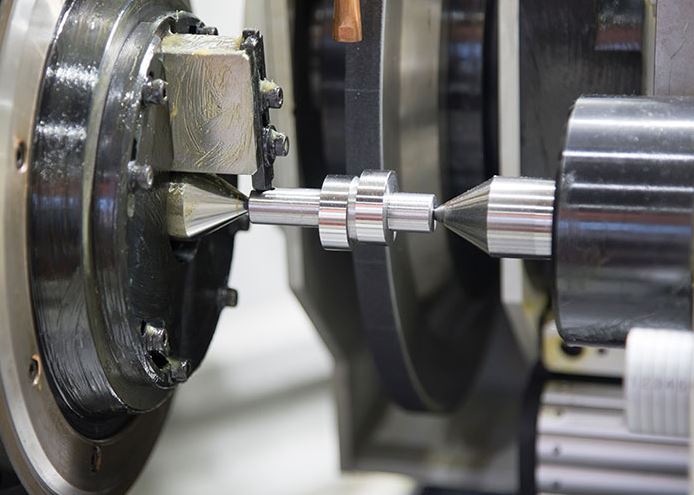
1. Fine Scratches or Small Pits: Check the Coolant
Fine, repeated scratches often indicate contamination in the grinding process. Grinding swarf, loose abrasive particles, or other contaminants can circulate with the coolant and return to the grinding zone.
Check:
* Coolant cleanliness
* Filter condition
* Grinding swarf accumulation
* Coolant tank contamination
* Magnetic separation when grinding ferrous materials
The source article identifies coolant contamination and insufficient filtration as common causes of repeated scratches and small surface defects.
Make sure the coolant is clean and reaches the wheel–workpiece contact zone effectively.
2. Coarse Grinding Marks: Check the CBN Grit Size
If the overall surface is consistently too rough, the CBN grit size may be too coarse for the required finish.
Larger abrasive grains generally create deeper grinding marks. A finer grit may help improve surface finish, but grit selection should also consider material removal rate, wheel structure, dressing conditions, and productivity.
The original article recommends selecting grit size according to the required surface finish and the complete grinding process rather than considering grit size alone.
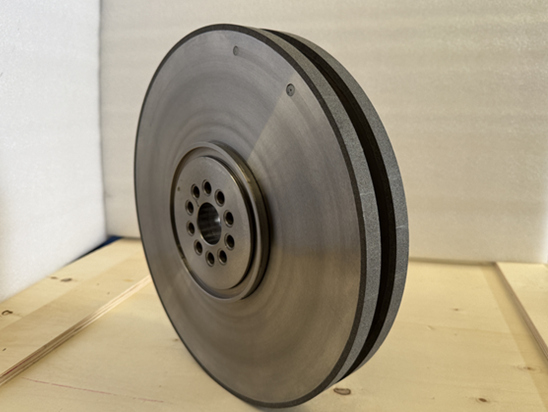
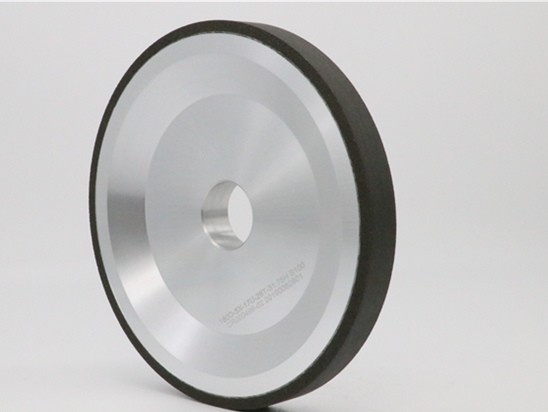
3. Dull or Rough Surface During Production: Check Grinding Wheel Loading
If surface quality gradually becomes worse during continuous grinding, the wheel may be loading.
Grinding chips and workpiece material can fill the spaces around the abrasive grains, reducing cutting efficiency and increasing friction and heat.
Typical symptoms include:
* Dull surface appearance
* Orange-peel texture
* Increasing surface roughness
* Reduced cutting efficiency
Check the wheel condition, improve coolant delivery and lubrication, and dress the wheel when necessary.
4. Poor Finish After Dressing: Review the Dressing Process
If the surface finish becomes poor immediately after dressing, inspect the dressing process.
A worn dressing tool can create an uneven wheel surface. Excessive dressing depth or feed may leave the wheel too rough, while insufficient dressing may not expose fresh cutting edges.
Check:
* Dressing tool wear
* Dressing depth
* Dressing feed rate
* Dressing speed
* Dressing consistency
A stable and repeatable dressing process is important for maintaining consistent CBN grinding performance.
5. Chatter Marks or Periodic Waves: Check Machine Stability
Regular waves or chatter marks are often related to vibration.
Possible causes include wheel imbalance, excessive runout, spindle problems, loose fixtures, poor workpiece support, or machine resonance.
Inspect:
* Wheel balance and runout
* Spindle condition
* Fixture rigidity
* Workholding
* Drive system and surrounding vibration
If the same periodic pattern continues after dressing, machine stability should be checked carefully.
6. Surface Burn or Smearing: Check Coolant Delivery and Grinding Parameters
A sufficient coolant volume does not always mean the grinding zone is being cooled effectively.
Incorrect nozzle position may prevent coolant from reaching the wheel–workpiece contact area, increasing local temperature and affecting surface quality.
Also check whether the grinding conditions are too aggressive.
Excessive feed rate or depth of cut can increase grinding force, produce deeper marks, and raise the risk of vibration and thermal damage.
Reducing the grinding load and separating roughing from finishing can help improve surface consistency.
7. Inconsistent Results Between Workpieces: Check Workholding
If surface quality changes from one workpiece to another, unstable positioning or clamping may be the cause.
Check the condition of:
* Centers
* Steady rests
* V-blocks
* Clamping systems
* Fixtures
* Workpiece positioning
All contact points should remain stable during grinding. Even a correctly selected CBN wheel cannot provide consistent results if the workpiece moves or vibrates.
8. Repeated Loading or Smearing: Review the Wheel and Workpiece Match
Some materials have a higher tendency to adhere to the wheel surface. If wheel loading repeatedly occurs, review whether the current CBN wheel specification matches the workpiece material and application.
Consider:
* CBN grit size
* Bond type
* Wheel concentration
* Wheel structure
* Coolant and lubrication
* Grinding pressure
Previous machining marks or surface defects should also be completely removed before the final finishing operation.
Quick Troubleshooting Guide
| Surface Problem Check First | |
|---|---|
| Fine scratches or pits | Coolant contamination and filtration |
| Coarse surface | CBN grit size and grinding parameters |
| Dull or hazy surface | Wheel loading and coolant performance |
| Orange-peel texture | Wheel loading and excessive heat |
| Chatter or waves | Wheel balance, machine vibration and workholding |
| Poor finish after dressing | Dressing tool and dressing parameters |
| Random variation | Fixture stability and coolant consistency |
Moresuperhard as CBN grinding wheel manufacturer, we can provide resin, metal and vitrified bond CBN wheel for high precision,any grinding solutions can contact us.
—EDITOR:Doris Hu,Alan Wang
—POST:Doris Hu


