


Carbon Ceramic Brake Disc Grinding Wheel Selection
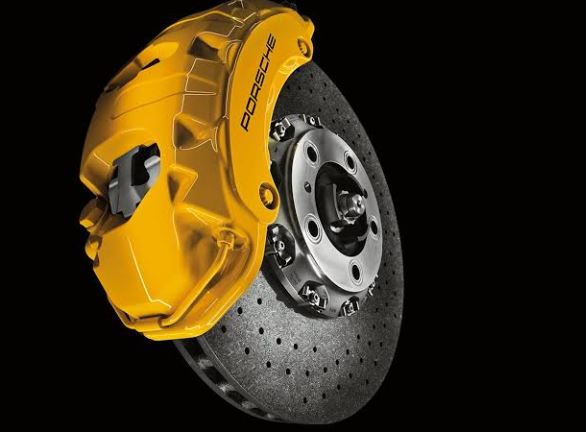
Carbon-ceramic brake discs, commonly based on carbon fiber reinforced silicon carbide (C/SiC), are used in high-performance braking systems where low weight, high-temperature performance and wear resistance are important. However, these same properties make carbon-ceramic brake discs challenging to machine.
The combination of carbon fiber and a hard SiC ceramic matrix creates a heterogeneous material structure. During grinding, manufacturers need to control material removal, grinding wheel wear, dimensional accuracy and surface quality at the same time. Research on C/SiC machining has shown that diamond abrasive tools are an important solution for grinding these hard composite materials.
For carbon-ceramic brake disc grinding, the choice of diamond grinding wheel should be based on the machining stage, grinding load, workpiece geometry and production requirements. This guide explains how to select the appropriate diamond grinding wheel for different carbon-ceramic brake disc grinding operations.
Why Is Carbon Ceramic Brake Disc Grinding Difficult?
Unlike conventional metal brake discs, carbon-ceramic brake discs contain both carbon fiber and a ceramic SiC matrix. Their heterogeneous structure results in different material-removal behavior during grinding.
Research on C/SiC surface grinding has found that both the carbon fibers and SiC matrix participate in brittle-fracture-based material removal. The material structure therefore has a direct influence on grinding forces and machined surface quality.
For brake disc manufacturers, the main grinding challenges include:
* High hardness and abrasive SiC matrix
* Different machining behavior between carbon fiber and ceramic matrix
* Grinding wheel wear during continuous machining
* Potential surface damage and fiber pull-out
* Maintaining dimensional and profile accuracy
* Achieving stable surface quality in mass production
These characteristics make diamond grinding wheels particularly important for carbon-ceramic brake disc machining.
Why Use Diamond Grinding Wheels for Carbon Ceramic Brake Discs?
Diamond is widely used as an abrasive for machining hard ceramic and ceramic-matrix composite materials. A study from Fraunhofer on C/SiC machining specifically notes that the high hardness and wear resistance of these materials require abrasive tools with diamond grains.
For carbon-ceramic brake discs, diamond grinding wheels can be designed for different operations, including rough grinding, precision grinding, edge processing, profile grinding and double-face grinding.
However, there is no single diamond grinding wheel specification suitable for every carbon-ceramic brake disc. Bond type, diamond grit size, concentration and wheel geometry should be selected according to the actual machining operation.
Which Diamond Grinding Wheel Is Used for Carbon Ceramic Brake Discs?
Based on the machining requirements of carbon-ceramic brake discs, the main diamond grinding wheel solutions include resin bond, vitrified bond, metal bond and electroplated diamond wheels.
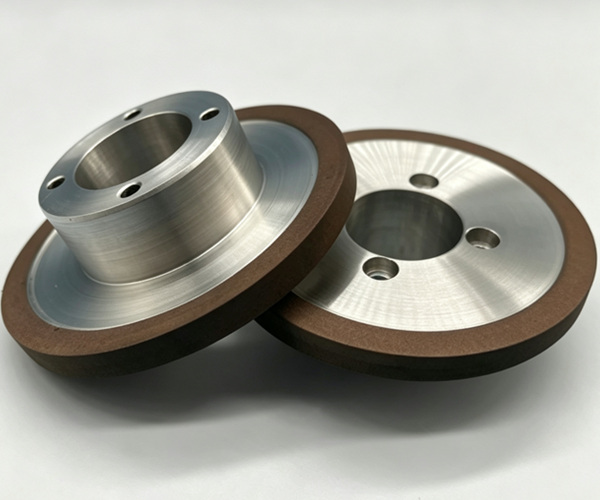
1. Resin Bond Diamond Grinding Wheels for Precision Grinding
Resin bond diamond grinding wheels are suitable for general precision grinding, end-face and surface grinding, and edge finishing of carbon-ceramic components.
According to the supplied application information, resin bond diamond wheels are characterized by good toughness and self-sharpening behavior and can be used where stable finishing performance and controlled grinding are required.
Typical applications include:
* Surface grinding * End-face grinding * Precision finishing * Edge trimming * Profile finishing
Resin bond diamond wheels are particularly suitable when the priority is precision finishing rather than heavy material removal.
2. Vitrified Bond Diamond Grinding Wheels for Heavy-Duty Production
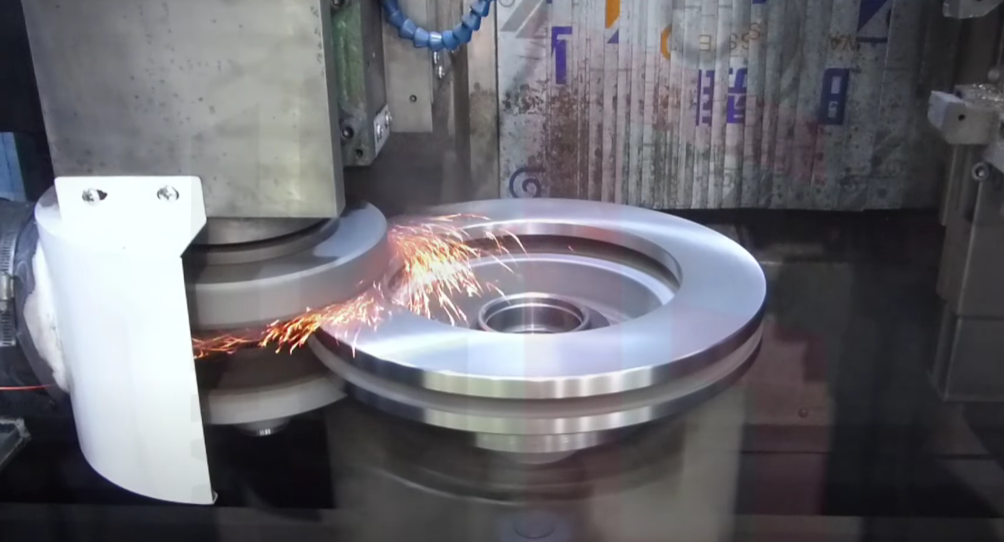
For large-volume rough grinding and heavy-duty machining of carbon-ceramic brake discs, vitrified bond diamond grinding wheels can be considered.
The supplied technical material identifies vitrified bond diamond wheels for large-batch rough grinding, heavy-load grinding and carbon-ceramic brake disc production. Their advantages include high hardness, open structure, chip evacuation capability and good form retention.
This makes vitrified bond diamond wheels a suitable option when manufacturers need to remove material efficiently during continuous production.
Typical applications include:
* Heavy-duty grinding * Large material removal * Continuous production * Carbon-ceramic brake disc mass production
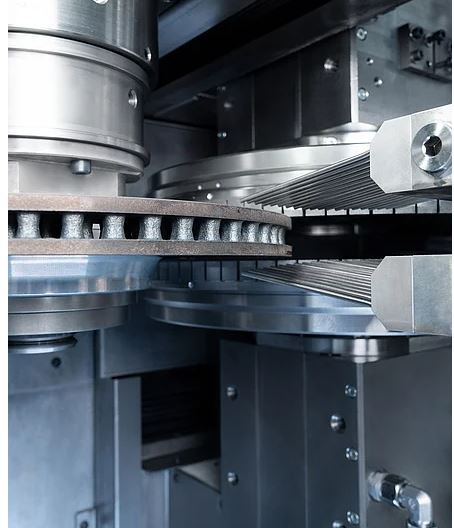
3. Metal Bond and Electroplated Diamond Wheels for Grooves and Profiles
Carbon-ceramic brake discs may include grooves, profiles or other localized geometries that require a more specialized wheel structure.
The supplied application data recommends metal bond or electroplated diamond grinding wheels for forming grooves, complex profiles and small grinding tools. Their strong abrasive retention and controlled wheel geometry make them suitable for forming and localized grinding operations.
Typical applications include:
* Groove grinding * Complex profile grinding * Small grinding tools * Localized forming operations
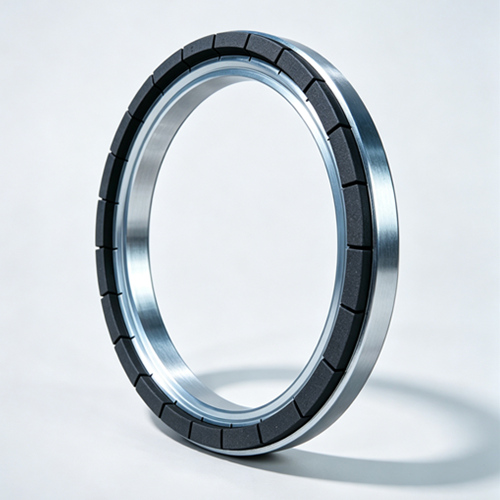
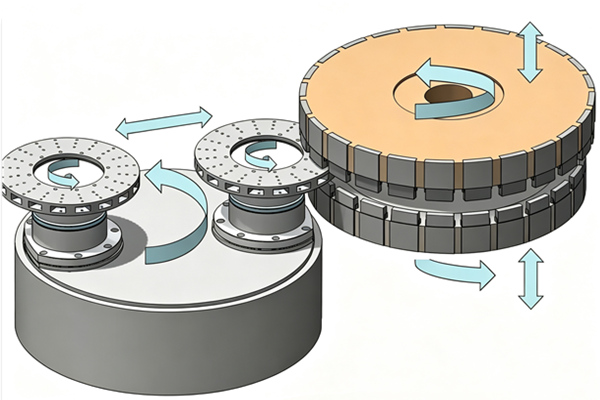
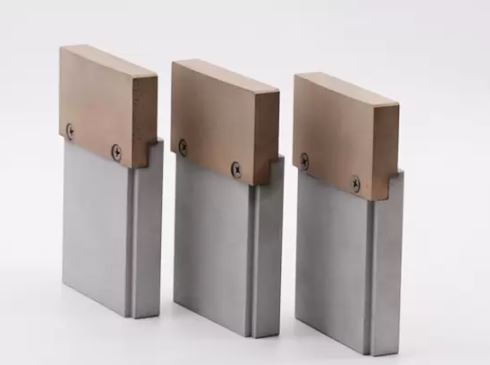
4. Diamond/CBN Grinding Segments and Cylindrical Wheels for Double-Face Grinding
Double-face grinding is another important machining method for carbon-ceramic components. Fraunhofer has reported research on double-face grinding of C/SiC components and identified high-performance brake applications as one of the relevant application areas.
For double-face grinding of carbon-ceramic brake discs, the supplied product information specifies diamond grinding segments and cylindrical wheels.
The appropriate wheel structure depends on the double-face grinding machine, workpiece dimensions, required removal rate and dimensional tolerances.
5. Electroplated Diamond Mounted Points and Internal Grinding Wheels
When machining small holes, internal features or localized cavities, the supplied solution includes electroplated diamond mounted points and internal grinding wheels.
These tools are designed for applications where conventional large grinding wheels cannot access the required geometry.
Which Grinding Wheel Shape Is Suitable for Carbon Ceramic Brake Discs
Wheel geometry should be selected according to the surface and feature being machined.
| Carbon Ceramic Brake Disc Application | Recommended Wheel Type |
|---|---|
| Surface / end-face grinding | Parallel, cup or peripheral grinding wheels |
| Double-face grinding | Diamond grinding segments, cylindrical wheels |
| Grooves / complex profiles | Electroplated or metal bond diamond wheels |
| Small holes / cavities | Electroplated diamond mounted points, internal grinding wheels |
The above wheel-form recommendations are based on the grinding applications specified in the supplied material.
Carbon Ceramic Brake Disc Grinding: Grinding Wheel Selection
| Machining Requirement | Diamond Grinding Wheel |
|---|---|
| General precision grinding | Resin bond diamond grinding wheel |
| Surface and end-face finishing | Resin bond diamond grinding wheel |
| Heavy-duty grinding | Vitrified bond diamond grinding wheel |
| Large-volume brake disc production | Vitrified bond diamond grinding wheel |
| Groove and complex profile grinding | Metal bond / electroplated diamond grinding wheel |
| Double-face grinding | Diamond grinding segments / cylindrical wheels |
| Small holes and cavities | Electroplated diamond mounted points / internal grinding wheels |
MoreSuperHard Diamond Grinding Wheels for Carbon Ceramic Brake Discs
MoreSuperHard specializes in superhard abrasive tools and diamond grinding solutions for demanding machining applications.
For carbon-ceramic brake disc grinding, our product solutions cover the grinding wheel types specified for different machining requirements, including resin bond diamond wheels, vitrified bond diamond wheels, metal bond and electroplated diamond wheels, diamond grinding segments and cylindrical wheels.
We can customize diamond grinding wheels according to the carbon-ceramic brake disc material, grinding operation, machine configuration, wheel dimensions and required surface quality.


