


Honing Head Structures and Applications for Precision Bore Finishing
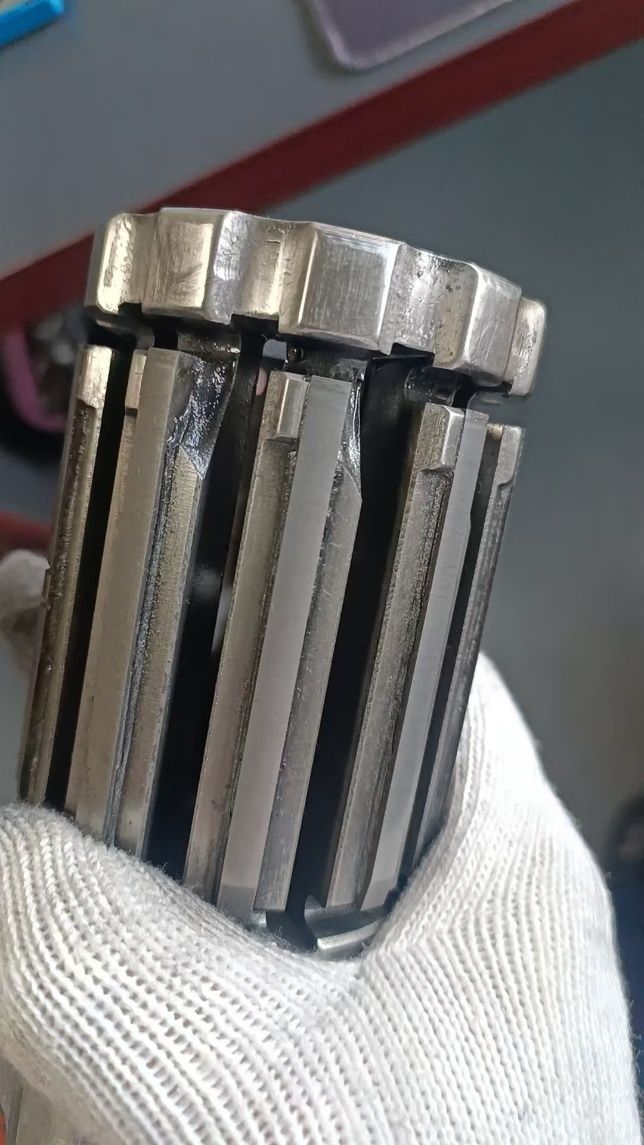
Honing is a precision machining process widely used for improving bore accuracy, surface finish and geometric consistency of internal holes. In industries such as automotive, hydraulic equipment, aerospace and mechanical engineering, the performance of the honing tool directly affects the final quality of the machined bore.
As one of the key components of a honing system, the honing head determines how honing stones contact the workpiece, how abrasive pressure is distributed and how machining accuracy is controlled. Different honing head structures are designed to meet different requirements, including bore diameter, bore depth, machining allowance and precision level.
The main types of honing heads include column-type honing heads, K-type honing heads and disc-type honing heads. Understanding the characteristics and applications of different honing head structures helps manufacturers select the most suitable honing tools for precision bore finishing.
What Is a Honing Head?
A honing head is a precision tool component that holds honing stones or abrasive segments during the honing process. During machining, the honing head rotates and reciprocates inside the bore while the honing stones expand radially to maintain controlled contact with the internal surface.
The structure of the honing head influences important machining factors such as:
* Bore dimensional accuracy
* Roundness and cylindricity control
* Surface roughness and finishing quality
* Material removal efficiency
* Honing tool life and stability
Therefore, selecting the correct honing head structure is essential for achieving stable precision bore machining results.
Main Types of Honing Head Structures
1. Column-Type Honing Head
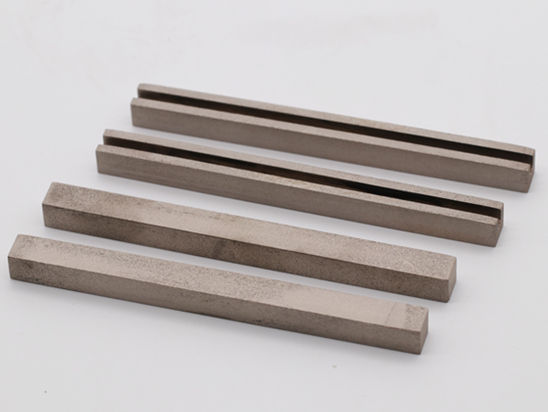
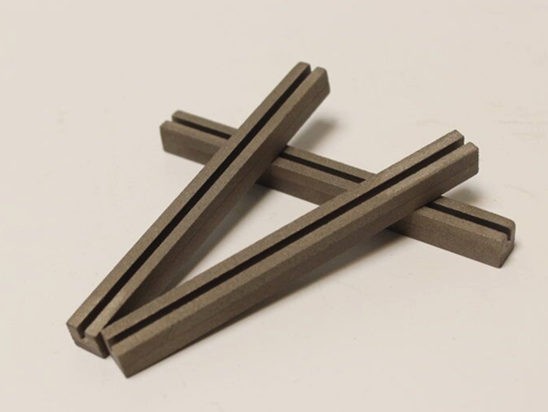
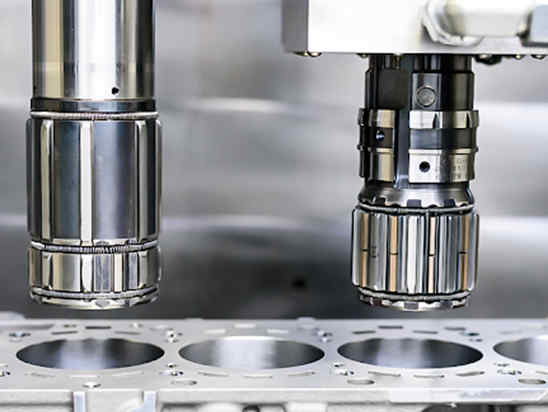
The column-type honing head utilizes elongated columnar honing stones evenly distributed along the axial direction of the honing head. A taper or expanding sleeve mechanism synchronously extends the honing stones radially, ensuring stable contact with the bore wall.
Structural Features
* Long column-shaped honing stones arranged along the axial direction
* Radial expansion controlled by taper or sleeve mechanisms
* Stable contact between honing stones and bore surface
Typical Applications
Column-type honing heads are mainly used for small to medium bore diameters with significant depths, especially where high accuracy and stable surface finishing are required.
* Hydraulic cylinder tubes
* Pneumatic cylinders
* Shaft sleeves
* Bushings and high-precision bore components
2. K-Type Honing Head
The K-type honing head typically adopts a frame or cage structure with multiple evenly distributed honing stones. Its expansion mechanism provides a wide radial adjustment range, allowing it to accommodate different bore diameter requirements.
Structural Features
* Rigid frame or cage structure
* Multiple honing stones arranged evenly around the tool
* Large expansion range for different bore sizes
–Typical Applications
K-type honing heads are commonly used for medium to large bore diameters where significant machining allowance needs to be removed.
* Large cylinder tubes
* Construction machinery components
* Mining equipment components
* Marine equipment bore machining
3. Disc-Type Honing Head
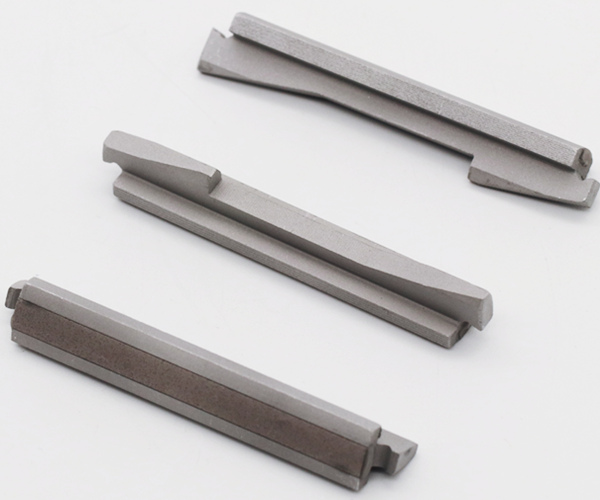
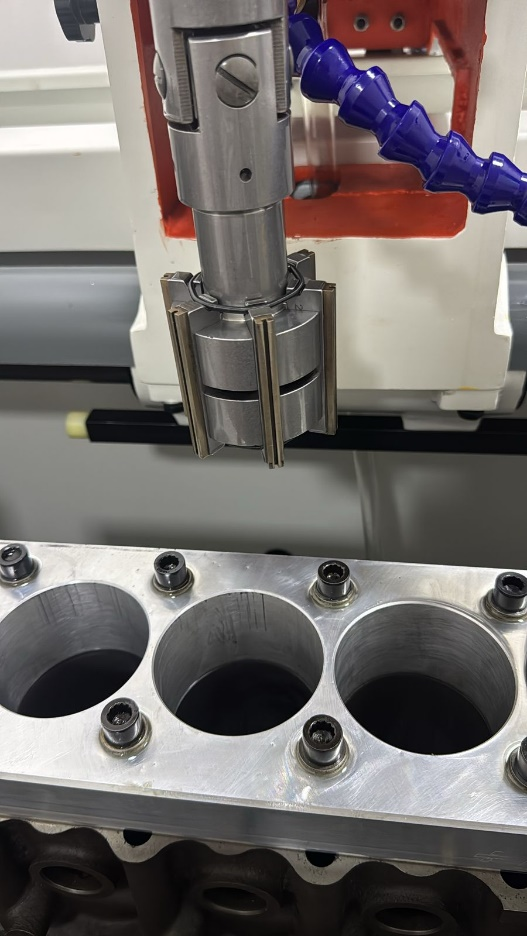
The disc-type honing head uses disc-shaped or block-shaped honing stones mounted on multiple disc positions. The expansion mechanism acts on the stones simultaneously to achieve radial expansion during machining.
Structural Features
* Disc or block-shaped honing stones
* Multiple disc positions for abrasive mounting
* Simultaneous radial expansion mechanism
Typical Applications
Disc-type honing heads are suitable for medium to large bore diameters with relatively shallow depths, especially when frequent changes between specifications are required.
* Engine blocks
* Various housing components
* Multi-variety production
* Repair machining applications
Comparison of Different Honing Head Structures
| Honing Head Type | Main Features | Recommended Applications |
|---|---|---|
| Column-Type Honing Head | High rigidity, large contact area, stable deep-hole machining | Hydraulic cylinders, pneumatic cylinders, precision bores |
| K-Type Honing Head | Strong structure, large expansion range, high material removal capability | Large cylinders, heavy-duty equipment, repair machining |
| Disc-Type Honing Head | Flexible structure, easy stone replacement, wide adaptability | Engine blocks, housing parts, small-batch production |
How to Select the Right Honing Head?
There is no single honing head structure that is suitable for all applications. The correct selection depends on the specific machining requirements of the workpiece.
* Bore diameter:
Different bore sizes require different honing head structures and expansion ranges.
* Bore depth:
Deep-hole applications usually require structures with stable axial support and contact performance.
* Machining allowance:
Large machining allowances require stronger structures with higher cutting capability.
* Precision requirements:
High-accuracy applications require stable honing pressure distribution and excellent geometric control.
Matching Honing Heads with Diamond and CBN Honing Tools
The performance of a honing system depends not only on the honing head structure but also on the selection of suitable abrasive materials. Diamond honing tools and CBN honing tools are widely used for different workpiece materials.
Diamond Honing Tools
Diamond honing tools are commonly used for materials with high hardness and excellent wear resistance requirements, including carbide, ceramics and non-ferrous materials.
CBN Honing Tools
CBN honing tools are suitable for ferrous materials such as hardened steel, bearing steel and alloy steel due to their excellent thermal stability and wear resistance.
Applications of Honing Heads in Different Industries
Automotive Industry
Honing heads are widely used for cylinder blocks, engine components and precision automotive parts where bore geometry and surface quality directly affect performance.
Hydraulic Industry
Hydraulic cylinders require accurate bore dimensions and smooth internal surfaces to ensure sealing performance and reduce leakage. Column-type and expandable honing tools are commonly used for these applications.
Heavy Machinery Industry
Large equipment components often require high-strength honing solutions for large diameter bores and heavy material removal. K-type honing heads provide suitable performance for these demanding applications.
Moresuperhard Honing Tool Solutions
Moresuperhard provides customized honing solutions including diamond honing tools, CBN honing tools and precision honing consumables for various bore finishing applications.
By optimizing abrasive selection, honing stone structure and manufacturing technology, our honing tools help customers achieve stable machining performance, improved surface quality and reliable production efficiency.
Conclusion
Different honing head structures are designed to solve different machining challenges. Column-type honing heads provide high stability for precision deep-hole processing, K-type honing heads are suitable for heavy-duty machining with larger material removal requirements, while disc-type honing heads offer flexibility for various specifications and small-batch production.
Selecting the right honing head according to bore diameter, depth, machining allowance and accuracy requirements is the key to achieving high-quality precision bore finishing.


