


Electroplated Diamond Sanding Belts: Applications and Selection Guide
Electroplated diamond sanding belts are used for grinding, edge finishing and surface preparation of hard and brittle materials such as glass, ceramics, stone, tungsten carbide and thermal spray coatings.
For manufacturers processing these materials, common challenges include rapid abrasive wear, low material removal efficiency, edge chipping and difficulty maintaining a consistent surface finish.
Electroplated diamond belts provide a grinding solution through their exposed diamond grains, nickel electroplated bond and flexible belt construction. They are particularly suitable for applications where conventional abrasive belts struggle to grind hard surfaces efficiently.
MORESUPERHARD manufactures diamond abrasive belts for industrial grinding applications, with specifications selected according to workpiece material, grinding equipment and surface finish requirements.
How Do Electroplated Diamond Sanding Belts Work?
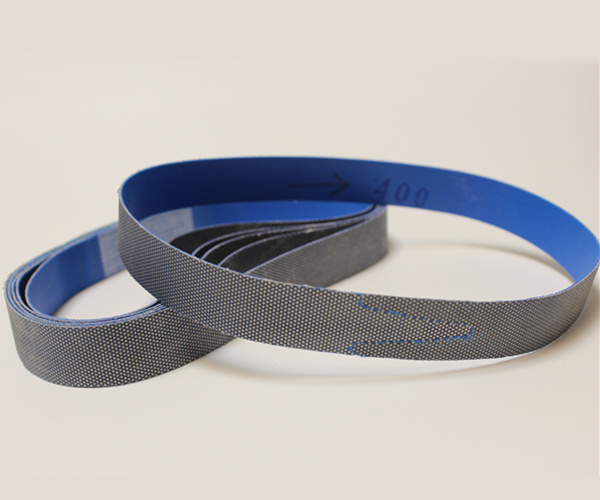
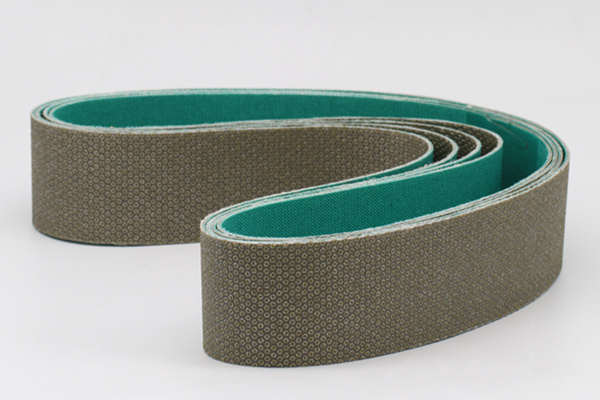
An electroplated diamond sanding belt consists of diamond abrasive grains secured to a flexible supporting structure by a nickel electroplated bond.
Unlike conventional coated abrasives, the diamond grains are retained within a metallic bond layer, leaving abrasive cutting points exposed.
The main characteristics include:
–High Cutting Ability: Exposed diamond grains provide effective material removal on hard surfaces.
–Strong Abrasive Retention: Nickel electroplating holds diamond particles during grinding.
–Flexible Grinding Contact: The belt construction allows grinding of flat surfaces, edges and certain curved profiles.
–Wear Resistance: Diamond abrasives are suitable for processing materials that rapidly wear conventional abrasive grains.
–Different Grit Options: Coarse and fine diamond grades can be selected for different grinding stages.
The actual grinding performance depends on the workpiece material, diamond grit size, belt construction, contact pressure and operating conditions.
Main Applications of Electroplated Diamond Sanding Belts
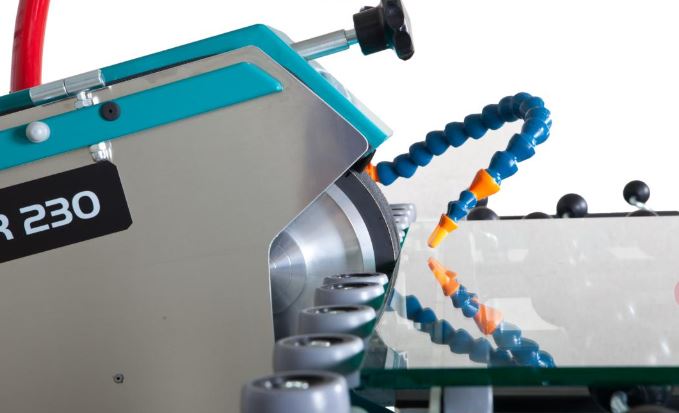
1. Glass Edge Grinding and Finishing
Glass is one of the main application materials for electroplated diamond sanding belts. They are used for grinding and finishing the edges of architectural glass, decorative glass, automotive glass components and other glass products.
Typical applications include:
–Glass edge grinding and beveling
–Curved and irregular glass edge finishing
–Decorative glass shaping
–Glass component edge preparatio
Glass grinding requires careful control of edge chipping, surface damage and material removal. Electroplated diamond belts provide an effective cutting action, while suitable belt flexibility allows contact with different edge profiles.
For finer edge finishes, additional grinding or polishing stages may be necessary.
2. Ceramic Grinding and Surface Finishing
Technical ceramics such as alumina and zirconia are difficult to machine because of their high hardness and brittle characteristics.
El
–Ceramic component deburring
–Ceramic tile edge processing
–Ceramic profile grinding
When grinding ceramic components, the main considerations are material removal rate, edge integrity and final surface quality.
Coarse diamond grits can be selected for initial material removal, while finer grits can help refine the ground surface.
3. Stone, Marble and Granite Grinding
Electroplated diamond sanding belts are also used in stone processing, particularly for edge shaping and surface finishing.
Common materials include marble, granite, engineered stone and other hard decorative materials.
4. Tungsten Carbide and Cemented Carbide Grinding
Tungsten carbide and cemented carbide are widely used in industrial tooling, wear-resistant components and roller applications. Their high hardness makes conventional abrasive grinding more difficult.
Electroplated diamond sanding belts can be used for selected carbide grinding and surface-finishing operations.
For cylindrical carbide components, belt width, contact wheel configuration, workpiece rotation and required surface roughness must be considered together.
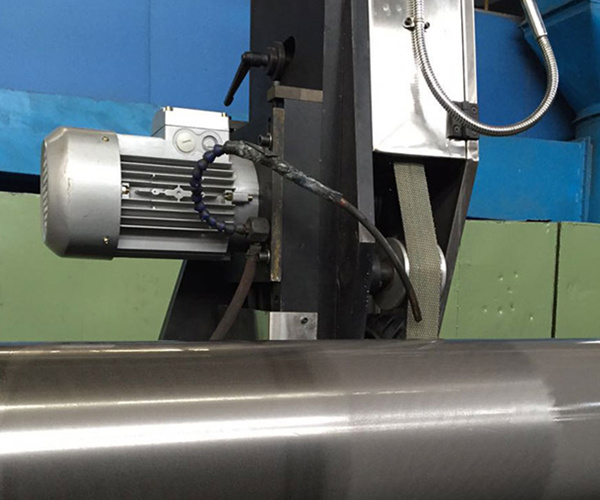
5. Thermal Spray Coating Grinding
Thermal spray coatings are commonly applied to industrial components to improve wear and corrosion resistance.
However, hard coatings such as tungsten carbide-based HVOF coatings and certain ceramic coatings can be difficult to finish with conventional abrasive belts.
Electroplated diamond sanding belts are suitable for selected hard coating grinding and finishing applications.
Common processing requirements include:
–Removing surface irregularities after coating
–Grinding tungsten carbide-based coatings
–Finishing ceramic-coated components
–Surface preparation of coated rollers
–Adjusting coating surface texture
Because some thermal spray coatings have limited thickness, grinding pressure and material removal must be carefully controlled.
The appropriate abrasive belt depends on coating composition, hardness, thickness and final surface requirements.
6. Silicon, Quartz and Other Hard Brittle Materials
Electroplated diamond belts may also be used for selected grinding operations involving silicon, quartz and other hard, brittle materials.
Possible applications include:
–Silicon component edge grinding
–Quartz glass edge finishing
–Brittle material surface preparation
–Grinding of selected optical and industrial components
These materials require careful control of subsurface damage, edge chipping and dimensional accuracy.
For precision semiconductor wafers and high-quality optical surfaces, specialized grinding, lapping or polishing processes may still be necessary.
The suitability of a diamond belt should therefore be evaluated according to the actual manufacturing stage.
7. Composite Materials and Non-Ferrous Metals
Electroplated diamond sanding belts may also be considered for selected composite materials and non-ferrous metal applications, including carbon fiber reinforced composites and certain aluminum alloys.
However, abrasive loading, heat generation, fiber damage and the required surface finish must be evaluated before selecting a belt.
For routine grinding of steel and other ferrous metals, CBN or conventional abrasive belts may be more suitable than diamond abrasives.
Electroplated Diamond Belts and Resin Bond Diamond Belts
Electroplated and resin bond diamond belts are both used for hard material processing, but their abrasive structures and grinding characteristics differ.
| Feature | Electroplated Diamond Belt | Resin Bond Diamond Belt |
|---|---|---|
| Bond Type | Nickel electroplated bond | Resin bond |
| Abrasive Structure | Typically single-layer diamond | Diamond held in a resin abrasive layer |
| Cutting Characteristics | Exposed grains, aggressive cutting | Depends on grit and bond formulation |
| Main Application | Hard material grinding and shaping | Grinding and surface finishing |
| Surface Finish | Depends on grit and conditions | Depends on grit and bond characteristics |
Electroplated diamond belts are often selected when material removal and sharp cutting action are important.
Resin bond diamond belts may be considered for applications requiring different abrasive wear behavior or finer finishing characteristics.
Neither belt type is universally better. The correct selection depends on the workpiece, grinding process and surface quality requirements.
Custom Electroplated Diamond Sanding Belts from MORESUPERHARD
MORESUPERHARD provides diamond abrasive grinding solutions for glass, ceramics, stone, tungsten carbide and other hard materials.
For customers looking for electroplated diamond sanding belts, selecting the correct specification is important for achieving stable grinding performance and the required surface quality.
Please provide the following information when requesting a quotation:
–Workpiece material and hardness
–Belt width and length
–Required diamond grit
–Grinding machine type
–Wet or dry grinding conditions
–Stock removal and target surface finish
–Estimated order quantity
Our technical team can review your grinding application and recommend suitable abrasive belt specifications.


